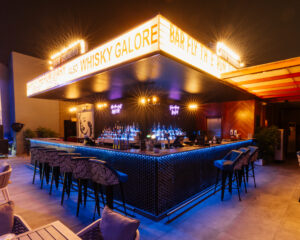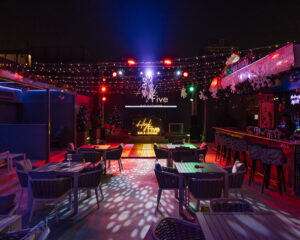
A guest can encounter a hospitality brand long before reaching the reception desk.
They may first see a reel on Instagram, discover the property through Google, watch a creator’s stay experience, open a booking page, receive a WhatsApp message, see an event advertisement and only then walk through the door.
If each of those touchpoints feels different, the brand starts losing something valuable: recognition.
For hotels, resorts, restaurants and hospitality groups in the UAE, brand guidelines should therefore do much more than define logo placement and approved colours. They should create a consistent standard for how the brand looks, speaks and behaves throughout the guest journey.
The strongest hospitality brands do not simply have a visual identity. They create a recognisable experience before, during and after the visit.
Your Brand Guidelines Should Start With the Guest Experience
Hospitality branding is different from branding a product sitting on a shelf.
Guests experience the brand through people, spaces, service, food, communication, photography, booking systems, events and digital content.
That means a useful brand guideline document should begin by answering questions such as:
What should a guest expect from this brand? What emotional impression should every touchpoint create? Is the experience contemporary, intimate, energetic, understated, luxurious or family-focused? How should employees and marketing partners communicate that personality?
A premium hotel in Downtown Dubai and a lifestyle resort on Palm Jumeirah may both use sophisticated visuals, but their personalities should not be interchangeable.
Brand guidelines give those distinctions structure.
For hospitality groups reviewing how consistently their identity appears across physical and digital channels, PAL DMC can assess the wider brand experience from its headquarters at Iris Bay, Office 2505, 25th Floor, Business Bay, Dubai. You can also visit the PAL DMC website to explore its branding and digital strategy work.
Build the Guidelines Around Real Hospitality Touchpoints
One of the easiest mistakes is creating guidelines that look impressive in a presentation but offer little help when a team actually needs to produce something.
Hospitality brands need practical rules for the environments where customers encounter them.
A useful guideline system should consider areas such as:
- website and booking pages
- Instagram, TikTok and LinkedIn
- paid advertising
- influencer and creator content
- restaurant and room photography
- menus and printed collateral
- guest emails and WhatsApp communication
- event promotions
- PR materials
- signage and in-property communication
- seasonal and cultural campaigns
The objective is not to make every piece of communication identical. It is to ensure they all feel as though they belong to the same brand.
1. Define the Brand Position Before the Visual Rules
Before specifying typography or photography, hospitality brands need clarity on positioning.
Who is the brand designed for?
Why should that guest choose it?
What should they remember after the experience?
What separates it from dozens of alternatives across Dubai and the UAE?
Without clear answers, brand guidelines can become a visual reference manual without strategic direction.
For example, “luxury” alone is rarely enough positioning. Dubai has no shortage of brands describing themselves as premium, exclusive or luxurious.
The guidelines should explain what that positioning means specifically for the property or hospitality concept.
Perhaps the brand is built around highly personalised service. Perhaps it combines dining, entertainment and nightlife. Another property might emphasise privacy, wellness or family experiences.
The clearer this foundation becomes, the easier it is to create distinctive campaigns later.
2. Create a Visual Language That Can Stretch Without Breaking
Hospitality marketing constantly changes.
There may be Ramadan campaigns, summer offers, festive dining, brunch promotions, staycations, weddings, corporate events, new menus and New Year’s Eve packages.
The brand therefore needs enough creative flexibility to support very different campaigns.
Strong brand guidelines should define the visual principles rather than forcing every campaign into the same template.
This normally includes logo treatment, colour hierarchy, typography, layouts, photography direction, graphic elements, image treatment and rules for different platforms.
Photography deserves particular attention.
For a hospitality brand, imagery is often the first approximation of the guest experience. Guidelines should therefore explain whether photography should focus on people, architecture, food, atmosphere, details or a particular balance between them.
If every shoot is directed differently, the social feed can quickly feel like several different properties sharing one account.
3. Give the Brand a Voice Guests Can Recognise
Hospitality brands communicate constantly.
A caption announces a new experience. A booking email confirms a reservation. A WhatsApp message answers a question. A press release describes the property. An influencer brief tells someone else how to present it.
Tone-of-voice guidelines help these communications feel connected.
They should specify whether the brand sounds warm, polished, playful, understated, conversational or highly formal, along with examples of how that voice changes by context.
A guest complaint should not be answered with the same language used in a brunch campaign. But both should still feel consistent with the same brand personality.
If your hospitality brand looks recognisable but sounds completely different across marketing, PR and guest communication, PAL DMC can review the messaging framework and tone of voice. For a brand consultation, email pal@paldmc.com.
4. Create Rules for Influencers and External Partners
Hospitality brands in the UAE frequently work with creators, photographers, PR teams, event partners and agencies.
These partners can expand visibility, but they also increase the number of people interpreting the brand.
A good guideline document should therefore make external collaboration easier.
Influencer briefs, for example, should clarify which experiences deserve emphasis, which terminology is correct, how the venue should be named, what brand elements should appear and which claims should not be made.
The goal should not be to script authentic creator content word for word. It should ensure that freedom does not turn into brand confusion.
PAL DMC’s work with Masti generated a verified 30% increase in user-generated content. For hospitality businesses, that illustrates why customer and creator content can become a meaningful part of the wider brand ecosystem when it supports the experience rather than existing as isolated exposure.
5. Make Seasonal Campaigns Feel Like the Same Brand
This is especially important in the UAE hospitality calendar.
A brand may move rapidly from Ramadan communication to summer promotions, festive campaigns, corporate events and New Year’s Eve.
When campaigns are developed independently, identity can drift.
One month the brand feels minimal and refined. The next it becomes loud and promotional. A few weeks later it adopts another visual language entirely.
Brand guidelines should explain how campaigns can flex around the occasion without losing the underlying identity.
That includes visual treatment, promotional language, offer presentation and campaign hierarchy.
Consistency does not mean ignoring the cultural or emotional context of a campaign. It means adapting without becoming unrecognisable.
Pal Bhattia’s Perspective: Hospitality Branding Has to Survive the Real World
From Pal Bhattia, Founder of PAL DMC’s perspective, one of the clearest tests of a brand system is whether it still works once many different people begin using it.
A logo file is easy to control. A brand expressed through hotel staff, influencers, social content, events, paid media, PR and customer communication is much harder.
That is why hospitality guidelines need to be practical rather than purely aesthetic.
PAL DMC works with UAE brands across hospitality, restaurants, F&B, lifestyle and related sectors, connecting branding with the wider marketing journey. The identity should support not only recognition but also the actions the business needs customers to take.
Branding Should Eventually Support a Business Outcome
Strong brand guidelines do not directly guarantee bookings or revenue. Their role is to create clarity and consistency around the experience being marketed.
That foundation makes other marketing activity easier to understand and recognise.
PAL DMC’s restaurant campaign, for example, achieved a verified 40% increase in reservations in 10 days. The key lesson for hospitality marketers is not that branding alone created that result. It is that marketing should ultimately connect with a defined business action.
Brand identity, social media, influencers, paid campaigns and conversion journeys should reinforce one another rather than operate as separate projects.
Frequently Asked Questions
What are brand guidelines for a hospitality business?
Brand guidelines are documented standards explaining how a hotel, restaurant, resort or hospitality group should present its identity. They can cover positioning, logo use, colours, typography, imagery, tone of voice, messaging and practical applications across guest and marketing touchpoints.
Why are brand guidelines important for UAE hotels?
UAE hotels often communicate across websites, social media, booking platforms, influencers, PR, events and physical guest environments. Guidelines help these touchpoints reinforce one recognisable identity.
Should hospitality brand guidelines include tone of voice?
Yes. Hotels and restaurants communicate through captions, emails, WhatsApp, menus, guest-service messages, advertising and PR. Tone-of-voice guidance helps those communications remain consistent while adapting to different situations.
How detailed should hospitality brand guidelines be?
They should be detailed enough for internal teams and external partners to make confident decisions. Larger hospitality groups may require extensive rules, while an independent restaurant or boutique property may need a more concise system.
Should influencer content follow brand guidelines?
Yes, although the guidelines should not remove the creator’s authenticity. Hospitality brands can provide clear terminology, messaging priorities, visual expectations and factual boundaries while allowing creators to communicate naturally.
How often should a hospitality brand update its guidelines?
Guidelines should be reviewed when positioning, audience, services, property experience or communication needs change significantly. Seasonal campaigns do not necessarily require new guidelines, but major brand evolution may.
Can brand guidelines cover several outlets within one hotel?
Yes. A master hospitality brand can establish shared principles while individual restaurants, spas or venues retain distinctive identities. The guidelines should clearly explain which elements are common and where sub-brand flexibility is allowed.
Can PAL DMC develop brand guidelines for UAE hospitality brands?
PAL DMC works with hospitality, F&B and lifestyle businesses in Dubai on branding, positioning and wider digital strategy. Existing identities can be reviewed and strengthened without automatically requiring a complete rebrand.
Make Every Guest Touchpoint Feel Connected
Hospitality branding is strongest when guests recognise the same personality in a reel, a booking confirmation, an influencer post, a menu and the experience they eventually receive in person.
That level of consistency rarely happens by accident. It needs a brand system that gives creative teams enough direction to protect the identity and enough flexibility to keep campaigns fresh.
If your hotel, restaurant or hospitality concept has grown across multiple platforms but the brand experience no longer feels consistent, PAL DMC can help review the identity, messaging and digital touchpoints and develop clearer brand guidelines for future campaigns. Call or WhatsApp +971 50 135 7072, and follow PAL DMC on Instagram for more Dubai marketing and branding insights.